

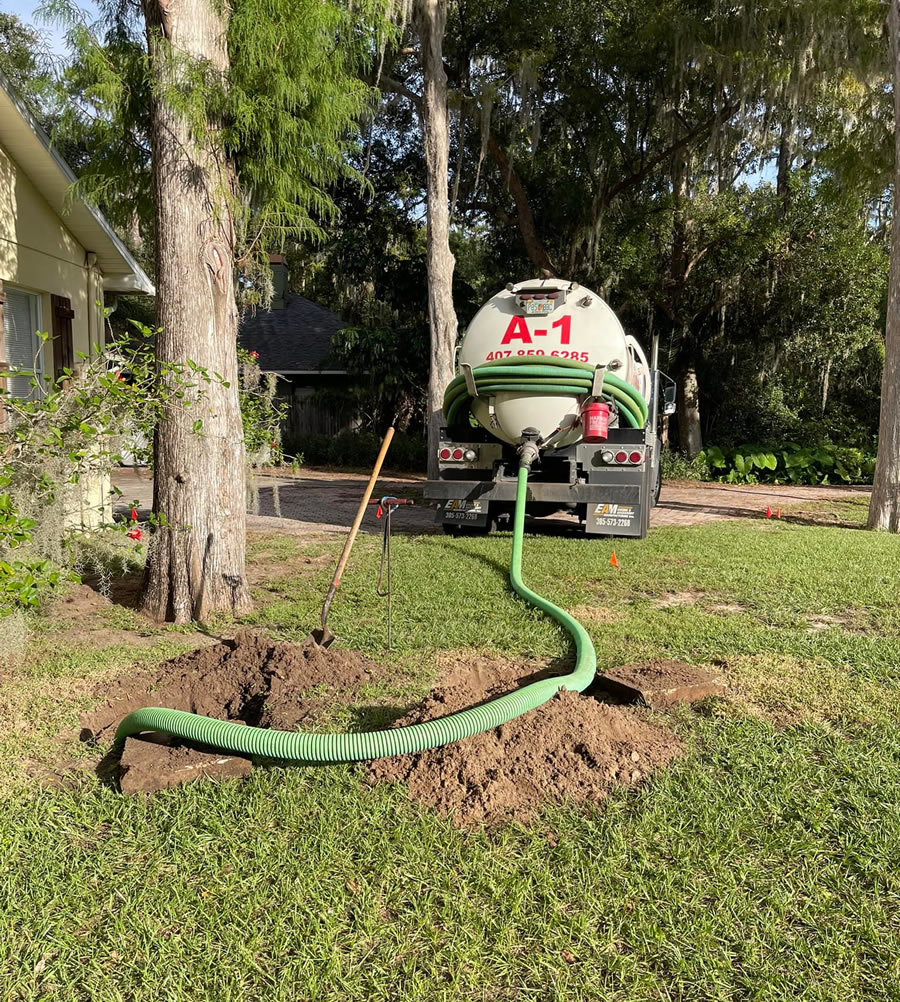
 This guide is for U.S. septic business owners, operations managers, and estimators seeking the best sales software for 2026. Selecting the right sales software can streamline your sales process, improve follow-up, and increase conversions for septic service companies. This comparison follows seven field service platforms through site visits, revised offers, acceptance, and scheduling. It focuses on the sales decisions septic service companies make between those steps. The practical question is simple: can the next employee see who owns the opportunity and what happens next?
A sales system organizes potential work before it becomes an accepted job. Look for field service tools that connect customer management with lead capture, sources, responsibility, stages, reminders, and outcome reporting. A pipeline is the sequence of stages an opportunity passes through, from initial interest to a recorded decision.
FieldPulse is our strongest overall choice for a growing residential septic business, including light commercial work. Its configurable customer pipeline, native lead sources, connected estimates, and flexible field workflows support that recommendation. Jobber suits smaller teams wanting a simpler request-to-quote process, while BuildOps deserves attention for substantial commercial opportunities.
Quick Verdict
FieldPulse: Best overall for growing residential septic companies. Configurable stages, visible next steps, native lead sources, and connected field records help maintain follow-through.
Jobber: Best for smaller crews with a straightforward sales process. Its paid Sales Pipeline adds ownership and outcomes, although pipeline tasks require the web.
ServiceTitan: Best for larger operations managing substantial unsold estimate follow-up. Advanced dedicated CRM capabilities have account and release restrictions.
QuoteIQ: Best for small teams wanting dedicated deal tracking at a published package price. Pipelines require Elite or Max, and earlier reliability problems temper our recommendation.
BuildOps: Best for complex commercial opportunities. CRM+ connects pipeline activity with operational handoff, but adds commercial structure and module costs.
Housecall Pro: Best for repeatable residential follow-up. Pipeline connects leads, estimates, and jobs; its lead conversion metric needs careful interpretation.
FieldEdge: Best for established service fleets selling from existing customer relationships. Prospect tools and richer sales features depend on the package.
Septic Sales Software Compared
| Platform | Best fit | Sales strengths | Main drawbacks | Pricing basis |
|---|---|---|---|---|
| FieldPulse | Growing residential and light commercial teams | Custom customer stages, next steps, native sources, connected estimates | Customer-level pipeline; more setup; advanced presentation tools cost extra | Custom quote; Sales Suite and Engage priced separately |
| Jobber | Small crews with straightforward opportunities | Request-to-quote flow, salesperson assignment, won/lost tracking | Pipeline is an add-on unless included with Plus; pipeline tasks are web-only | Grow: $149/month equivalent billed annually, or $199 month-to-month; one user |
| ServiceTitan | Larger teams with structured sales administration | Unsold estimate follow-up, reminders, permissions, sales reporting | More administration; dedicated CRM features have limited availability | Custom package; implementation and selected Pro products add costs |
| QuoteIQ | Small teams needing a separate deal board | Custom deal stages, linked estimates, weighted values, mobile tasks | Pipelines require Elite/Max; earlier loading and offline problems | Pro: $199.99/month, four users; Elite: $299.99/month, ten users |
| BuildOps | Commercial accounts and longer project sales | CRM+ pipelines, upcoming actions, forecasting, won-to-work conversion | CRM+ is an add-on; commercial setup can exceed residential needs | Custom quote covering users, modules, and implementation |
| Housecall Pro | Residential teams using repeatable follow-up | Lead ownership, Pipeline automation, conversion reports, mobile intake | Pipeline adds cost; lead wins include progression to an estimate | Monthly: Basic $79/one user; Essentials $189/five; MAX $329/eight |
| FieldEdge | Existing multi-truck service businesses | Lead records, prospect tracking, reminders, customer and quote continuity | Prospect tracking starts on Premier; proposal and marketing tools vary by tier | Custom Select, Premier, or Elite quote; module and mobile-license limits |
These are U.S. subscription comparisons checked November 23, 2026. Jobber’s annual figure requires annual billing; its monthly figure has no annual commitment. QuoteIQ figures are month-to-month. Housecall Pro figures are standard monthly rates, before temporary promotions. The listed base packages do not automatically include every sales feature discussed below.
How We Tested
Testing at a glance
Products
Evidence
When
Devices
Workflows
Plans and limits
What a Septic Business Needs From Its Sales System
A replacement inquiry can remain open through several conversations. The homeowner may need a visit, an explanation of feasible work, and a revised offer before deciding. A property manager may also need another person’s approval. The software should preserve those steps when the original estimator is unavailable.
Emergency calls follow a different path in the septic industry. A customer requesting a pump-out may need access details, scheduling, and dispatch of a pump truck. For emergency calls, prioritize scheduling through the service intake process. Septic companies should distinguish urgent septic service from longer replacement opportunities in their stages and reports.
For an open opportunity, the system should show the property, inquiry source, responsible employee, current offer, and next action. Source data should distinguish referrals, repeat customers, and online booking inquiries. Include the next action’s date and the person who can authorize the work. “Follow up” alone is weak information. “Call the owner Friday after the revised access allowance arrives” gives the next employee something useful to do.
The distinction from neighboring workflows matters. Septic estimating software develops quantities and prices; septic quoting software controls the offered scope and acceptance. Septic proposal software explains the recommended solution, while septic bid software addresses specified competitive submissions. Sales software follows the opportunity across those documents.
Customer and Property Records for Sales
Customer and property records help when they explain the sale. Review the full service history, last service date, and unresolved recommendations before a replacement conversation. Property service history gives the estimator context without asking the customer to repeat earlier discussions. Our field service CRM comparison examines that broader record structure. For a septic business, the useful sales data connects that history to the next decision and its owner.
Field Service Sales Tools Compared
| Platform | Pipeline and ownership | Next actions and follow-up | Outcomes and handoff | Plan and device limits |
|---|---|---|---|---|
| FieldPulse | Native customer-stage board; estimate workflows support separate offer tracking | Customer Next Steps; configured estimate-status messages | Customer stages and linked records need consistent office definitions | Admin setup; native source field on mobile; Sales Suite and Engage are separate |
| Jobber | Paid Pipeline tracks request/quote opportunities with a salesperson | Assigned, dated pipeline tasks; quote follow-up depends on plan | Won/lost reporting; sales tasks do not transfer into a won job | Plus or add-on; pipeline permissions; tasks and brief notes require web |
| ServiceTitan | Established estimate follow-up; dedicated CRM has restricted availability | Mobile follow-up dates, calls, messages, and estimate context | Follow-up outcomes; enabled CRM adds deeper stage and loss analysis | Role permissions; CRM release/package restrictions; Marketing Pro separate |
| QuoteIQ | Elite/Max deals, custom stages, linked estimates, assignees | Record-linked tasks and push reminders on web/mobile | Deal totals, weighted values, and average age; scheduling remains a separate step | Deal-linked tasks need Elite/Max; changed tasks require recreation |
| BuildOps | CRM+ commercial pipelines and shared property context | Activity logging and overdue/upcoming actions | Weighted forecasting; explicit won-to-converted status | Paid CRM+ module; define field access separately from office configuration |
| Housecall Pro | Pipeline lead, estimate, and job boards; assigned leads | Configured messages and status automation | Lead/estimate conversion reports; lead win can precede customer acceptance | Pipeline add-on; mobile lead creation and conversion; Voice reports require Voice |
| FieldEdge | Lead tracking; Premier/Elite prospect tracking | Reminders and quote follow-through; marketing tools vary | Service-sales reporting and accepted-quote handoff | Mobile licenses vary; Proposal Pro and MarketingEdge included on Elite or added below |
Native means the vendor supplies the feature within its product family. A native add-on still costs extra when excluded from the subscription. A task list also needs an opportunity record, owner, and outcome process to function as a sales pipeline.
FieldPulse: Best Overall for Growing Residential Septic Teams
FieldPulse offers the strongest overall balance of sales tools for a growing residential septic business. The office can connect a replacement inquiry with the customer, site information, estimate, and subsequent work. That breadth matters when the same team handles routine maintenance and larger septic service opportunities.
Its custom sales pipeline is configured by an administrator. Customers move between named stages, with Next Steps and the most recent estimate amount visible on their cards. For a residential office, that provides a practical view of inquiries awaiting visits, revised offers, or callbacks.
The record model deserves attention. This is a customer-level board, so one customer with several simultaneous replacements needs more deliberate tracking. A property manager’s three sites should not become one ambiguous “Estimate Sent” card. Use the relevant estimate and job records to keep each scope distinguishable.
FieldPulse also has a native Lead Source field on web and mobile. Administrators maintain the choices. Engage can add attribution from the called phone line, but it is a paid add-on. A source on the customer record should not automatically be read as the source of every later opportunity.
Configured estimate status workflows support follow-up messages. The septic business still needs to decide who owns the next conversation. Keep reminders relevant when a revised offer changes the question the customer must answer.
Our earlier account work favored FieldPulse’s flexibility over simpler residential tools, with more navigation and configuration as the trade-off. Pricing is custom. Dynamic Proposals and Pricebook require Sales Suite; the customer pipeline should not be confused with that paid presentation toolkit. FieldPulse fits best when someone will maintain the stages, records, and follow-up rules.
Jobber: Best for Smaller Crews With a Clear Sales Process
Jobber suits small septic companies that want a clear path from request to assessment, quote, and scheduling. Its approachable navigation was a strength in our earlier mobile evaluations. An owner handling sales between site visits benefits when finding the customer takes little effort.
The dedicated Sales Pipeline is included with Plus or sold as an add-on. It brings request and quote opportunities into a board with salesperson assignment, custom stages, and lost outcomes. This is more useful for sales management than relying on the schedule alone.
Pipeline tasks can hold an owner and due date, but they require Jobber.com. They are internal reminders, not customer messages, and do not carry into a won job. A field salesperson can therefore need office support for this part of the workflow. Pipeline access also requires the relevant request, quote, schedule, pricing, and reporting permissions.
Revised offers need care. Jobber’s quote approval rules preserve the previous signed PDF in an internal note after material edits remove the current signature. The approved status can remain. The office must deliberately return the revised quote to Awaiting Response and resend it when renewed approval is needed.
That distinction matters when the site visit changes the excavation allowance. A salesperson should not treat the old approval as acceptance of the revised amount. Make the next action explicit, then check the scheduled job separately after the customer responds.
Grow costs $149 per month equivalent with annual billing, or $199 month-to-month without an annual commitment, for one user. Those figures do not include a separately purchased Pipeline add-on. For a smaller septic business, Jobber is attractive when straightforward sales tools outweigh deeper commercial account structure.
ServiceTitan: Best for Larger Teams Managing Unsold Estimates
ServiceTitan is strongest here for larger septic companies with established roles and substantial unsold-estimate volume. Its value comes from connecting sales activity to field visits and estimates. The setup burden is harder to justify for a septic business managing only a few replacement inquiries.
Its established mobile opportunity follow-up creates follow-up opportunities when completed jobs retain unsold estimates. Authorized technicians can review the estimate context, notes, media, and next follow-up date. They can then call, text, or email selected options and record the outcome.
For septic work, that supports a diagnostic visit that produces a later replacement offer. The follow-up record keeps the unresolved sale visible after the visit ends. Access and estimate-editing permissions matter, so an ordinary technician login should not be assumed to have every sales control.
ServiceTitan’s newer dedicated CRM needs a separate qualification. Current custom staging documentation requires enabled CRM, specified commercial packages, and Private Preview access. Related guides describe Early Access capabilities. We therefore separate those restricted features from established estimate follow-up when recommending the platform.
That distinction changes the purchase decision. A company wanting customizable pre-estimate stages should evaluate the CRM functionality actually enabled in its package. An unsold-estimate queue starts later in the process than a new inquiry awaiting its first site visit.
Pricing is custom, with implementation and selected products affecting the total. Marketing Pro is separate from ordinary follow-up, while Airship is a third-party presentation integration. ServiceTitan earns its place when sales managers will maintain permissions, data definitions, and reporting across a larger team.
QuoteIQ: Best for Dedicated Deals at a Published Package Price
QuoteIQ deserves consideration when a small team wants a separate deal record spanning several conversations and estimates. That model fits a replacement opportunity better than treating each revised offer as a fresh lead. For a septic business comparing team size and cost, its published packages make the starting subscription easier to compare.
The Pipelines and Deals feature requires Elite or Max. Deals support custom stages, linked estimates, attachments, assignees, and expected close dates. These tools use weighted values and average deal age to help review the open workload.
A weighted value is a planning estimate, not committed revenue. If a replacement is delayed while the homeowner considers financing, the salesperson should update its stage and expected timing. Leaving old offers at high probability makes the system show healthier sales data than the actual conversations support.
Native Reminders and Tasks work on web and mobile. Deal-linked tasks require the pipeline plans, and notifications use push reminders. Tasks cannot currently be edited; a changed deadline or assignee requires deleting and recreating the task. Multiple assignees also need one clearly accountable person in the team’s working process.
Offer revisions remain deliberate work. QuoteIQ’s estimate editing workflow allows accepted estimates to be changed, without automatically resending them. Record the new offer and obtain the appropriate response before treating the opportunity as ready for scheduling.
Pro costs $199.99 monthly for four users; Elite costs $299.99 for ten. Elite is the relevant starting comparison for dedicated pipelines. Our earlier estimating work encountered routine waits of six to ten seconds and offline errors. Those dated estimating observations justify testing the actual field workflow before relying on it.
BuildOps: Best for Complex Commercial Sales Opportunities
BuildOps is the stronger fit when a septic contractor sells substantial commercial work across several stakeholders or properties. A facilities contact, approving manager, and site representative may each need different information. The sale also has to reach the people planning crews and materials.
The native CRM+ sales pipeline module supports custom stages, activity records, upcoming tasks, and weighted forecasting. Shared account and property context helps sales and operations discuss the same opportunity. CRM+ is an add-on, rather than an assumed inclusion in every BuildOps subscription.
This structure suits an opportunity that needs a site meeting, scope revision, and several approval conversations. The estimator can keep the commercial pursuit visible while operations continues servicing the account. A small residential septic business may find that structure heavier than its daily workload requires.
The most useful handoff distinction appears in the November product update. Won opportunities can be Ready to Convert, Not Converting, or Converted. Converted means the job, project, or agreement has actually been created. The update also carries opportunity estimate lines into newly created jobs.
That gives managers a concrete question after a sale: has accepted work reached operations? A verbal win and an available installation date remain different events. Review the conversion queue alongside staffing and the customer’s scheduling expectations.
BuildOps pricing is custom, including the selected modules. Our earlier presentation comparison found less flexibility for a complete sales narrative than FieldPulse or QuoteIQ. That does not erase its stronger commercial opportunity structure. For commercial septic companies, prioritize BuildOps when account complexity and operational transfer matter more than a customized residential presentation.
Housecall Pro: Best for Repeatable Residential Follow-Up
Housecall Pro fits a residential septic business that wants repeatable sales tools with less configuration. Our earlier comparisons found its everyday residential workflow clean and approachable. Its sales value comes from keeping intake, estimates, and follow-up close to the existing service process.
The paid Pipeline feature has separate lead, estimate, and job boards. Configured automations can send messages and update statuses after defined delays. Conditions such as tags and lead sources help distinguish a replacement inquiry from an ordinary service request.
Workflow automation works best when the underlying status is accurate. Pause or update the sequence when the owner requests another visit or a revised scope. Repeating the original offer after that conversation can make the company appear unaware of its own customer’s request.
Mobile lead tools include an assignee, private notes, tags, and source. Copying a lead into an estimate or job marks it Won. That is a progression milestone; it does not necessarily mean the customer accepted the replacement offer.
The distinction continues in conversion rate reports. Lead reporting belongs to Pipeline, while call conversion reporting requires Voice. Evaluate estimate acceptance separately from lead progression. Otherwise, creating more estimates could look like an improvement in closed sales.
Standard monthly pricing is $79 for Basic with one user, $189 for Essentials with five, and $329 for MAX with eight. Pipeline and other selected tools affect the total. Housecall Pro suits a team that wants consistent callbacks and simpler residential administration, with clear definitions for each reported outcome.
FieldEdge: Best for Sales Within an Established Service Fleet
FieldEdge makes the most sense when an established septic business already relies on its customer and work-order records. Selling a replacement from known service history can be easier than rebuilding that context in another system. Its appeal here is continuity between service, quoting, reminders, and accepted work.
The current plan comparison includes lead tracking across Select, Premier, and Elite. Prospect tracking starts on Premier, alongside multi-option quoting. This creates a meaningful package distinction for a company trying to manage potential customers before they become regular service accounts.
FieldEdge’s demonstrated workflow centers on prospects, quotes, reminders, and service-sales reporting. We would prioritize those tools when evaluating the system. A buyer needing extensive custom opportunity stages and detailed stage-age analysis has a clearer documented commercial fit in BuildOps CRM+.
Proposal Pro adds another workflow. The documented FieldEdge proposal connection starts from a work order and requires Sales Rep-level access with matching FieldEdge and BizPro usernames. Proposal preparation and pre-scheduling edits happen in Proposal Pro. Accepted status returns to FieldEdge for conversion and scheduling.
For a septic replacement, the office must therefore know which application holds the current offer. An employee calling the customer should see whether a revised proposal is awaiting response. A reminder attached to the old work order needs enough context to avoid discussing the wrong scope.
Pricing is custom. Proposal Pro and MarketingEdge are included on Elite or separately priced on lower tiers, and mobile licenses vary by plan. FieldEdge is a practical continuity choice for an existing fleet. It is less compelling as a new purchase driven mainly by highly configurable sales opportunity management.
Follow One Replacement Inquiry From Call to Scheduled Work
 Use one realistic opportunity from your septic business when evaluating sales tools. The following example is a sales-process exercise, not a system design recommendation. Keep the same property, customer, and revised offer throughout so duplicate records become visible.
Record the inquiry and assign responsibility
A homeowner asks about replacing an existing tank. Record the property, contact, source, and requested timing in the system. Check the last service date when the customer already uses your septic service. Assign one employee to qualify the inquiry and arrange the site visit. Route routine septic pumping requests and emergency calls through the appropriate booking process.
The next action should have an owner and a deadline. A shared inbox can preserve the message without ensuring anyone acts on it. Open the opportunity from another employee’s login and check whether the next step is obvious.
Use the visit to update the opportunity
The estimator or technician records access information, relevant photos, and the questions needed to prepare an offer. Record who receives the proposal and who approves it. If another assessment or decision is needed, give that dependency its own next action.
The sales system should reflect what actually happened. A completed appointment does not necessarily mean the offer is ready. Keep “Visit Complete” distinguishable from “Offer Sent,” even when the same employee performs both tasks.
Revise the offer and follow up on the current scope
Assume access findings change the excavation allowance. Save the revised scope, explain the change, and send the current offer to the approving party. Keep the opportunity open without counting that revision as another independent lead.
Record a specific callback date after the customer reviews the change. If the customer delays the decision, update the next action and expected timing. If the customer declines, record the reason in the available outcome field or a consistent note.
Transfer the accepted work into operations
After acceptance, check the job details against the current offer, property, access notes, and files. Assign responsibility for scheduling and technician assignments, then record the actual appointment. If approval arrives through a customer portal, check which version was accepted. A Won label alone does not complete the handoff to septic operations.
Longer accepted work belongs in the planning process covered by our project management comparison. A later ongoing service offer has different obligations, covered in our septic maintenance guide. Keep recurring service scheduling and service intervals tied to that separate commitment. Recurring revenue belongs alongside the agreement obligations, rather than being assumed from a replacement sale.
Choosing Sales Tools for Your Septic Business
Start with the failure your septic business needs to fix. Compare your current CRM with the proposed system using the same open opportunity and data. Missed callbacks favor visible next actions and accountability. Multiple open scopes for one commercial account favor separate opportunity records. Accepted work awaiting scheduling favors a clear sales-to-operations queue.
Judge reporting depth by whether the tools expose opportunity age, overdue actions, ownership, and the current offer. Useful data should lead to a decision. An old opportunity may be legitimate if a customer has given a future decision date. An overdue callback with no explanation deserves attention even when the offer was sent yesterday.
Use a short, consistent list of lost reasons: timing, price, competing offer, scope mismatch, no response, or work canceled. Where the product lacks a suitable structured field, use an agreed note format and review it manually. Do not turn every unanswered message into a confirmed price objection.
Septic companies should compare equivalent opportunities when reviewing conversion data. Separate urgent booked calls from longer replacement sales, and distinguish inquiry progression from offer acceptance. Follow accepted opportunities into scheduled jobs before treating the sales process as complete. The best software for a septic business makes that unfinished handoff into septic operations visible. Our septic software guides help evaluate the surrounding workflows.
Mobile Access and Customer Communication
Test mobile access with the field staff who will use the sales tools. Have a technician open the current offer, add visit data, and find the next action. Check whether customer communication stays visible when another employee takes over. A mobile app does not establish that every sales feature works away from the desktop.
Recurring Service and Replacement Opportunities
Recurring service scheduling keeps promised visits organized; replacement sales need their own decision process. A septic pumping visit may produce a recommendation that requires another conversation. Septic companies need both the recurring service commitment and the new sale visible.
Also trace accepted offer data into invoicing and the accounting system. Identify who collects payment and how deposits affect the amount still due. Payments, technician scheduling, and sales acceptance are different milestones, even when one platform supports them.
Frequently Asked Questions
What is septic sales software?
Septic sales software manages potential work from inquiry through follow-up, acceptance, and operational handoff. It records responsibility, stages, next actions, current offers, and outcomes. A quote builder covers only part of that process.
Which septic sales software is best for growing residential teams?
FieldPulse is our strongest overall choice for growing residential septic teams because its pipeline, customer records, and field workflows connect well. Its customer-level pipeline needs deliberate handling when one customer has several simultaneous opportunities.
Is septic pumping software enough for replacement sales?
Septic pumping software can support replacement sales when it also tracks opportunity ownership, current offers, and next actions. Pumping appointments alone do not provide that sales process. Keep immediate septic service booking distinguishable from longer replacement decisions.
Is a sales pipeline included in every subscription?
A dedicated sales pipeline is not included in every subscription. Jobber includes Sales Pipeline with Plus or sells it separately; Housecall Pro Pipeline and BuildOps CRM+ add costs. QuoteIQ requires Elite or Max for Pipelines and Deals.
Can septic salespeople manage follow-up from a phone?
Septic salespeople can manage many follow-up actions from a phone, but the exact feature matters. QuoteIQ documents mobile tasks, and ServiceTitan supports authorized mobile estimate follow-up. Jobber’s pipeline tasks require the web. Test mobile access for the actual role and action together.
Does Won mean the septic installation is scheduled?
Won does not necessarily mean a septic installation is scheduled. Housecall Pro can mark a lead Won when it becomes an estimate. BuildOps separates won opportunities from converted work. Check customer acceptance, job creation, and the scheduled appointment as distinct milestones.
How should a septic company handle revised offers?
A septic company should keep the current offer attached to the opportunity, explain material changes, and obtain the needed approval. Preserve the earlier record and update the next action. Editing a document does not automatically renew acceptance or notify the customer.
Which sales metrics matter for septic replacement work?
Septic replacement sales metrics should include overdue next actions, opportunity age, offer acceptance, lost reasons, and accepted work awaiting scheduling. Compare similar inquiry types and time periods. A high lead conversion rate can conceal weak replacement sales if urgent service bookings dominate the total.

Olivia Evans
Olivia has more than 10 years of experience researching field-service software for HVAC and other service businesses and improving their marketing and operations. She conducts hands-on workflow tests, documents findings with screenshots and notes, and checks product claims against official vendor documentation.
Author profile →How we test →